




Understanding Email Deliverability What is Email Deliverability? Email deliverability refers to the ability of an email message to successfully reach the recipient’s inbox without being blocked or routed to spam…
Understanding Email Deliverability
What is Email Deliverability?
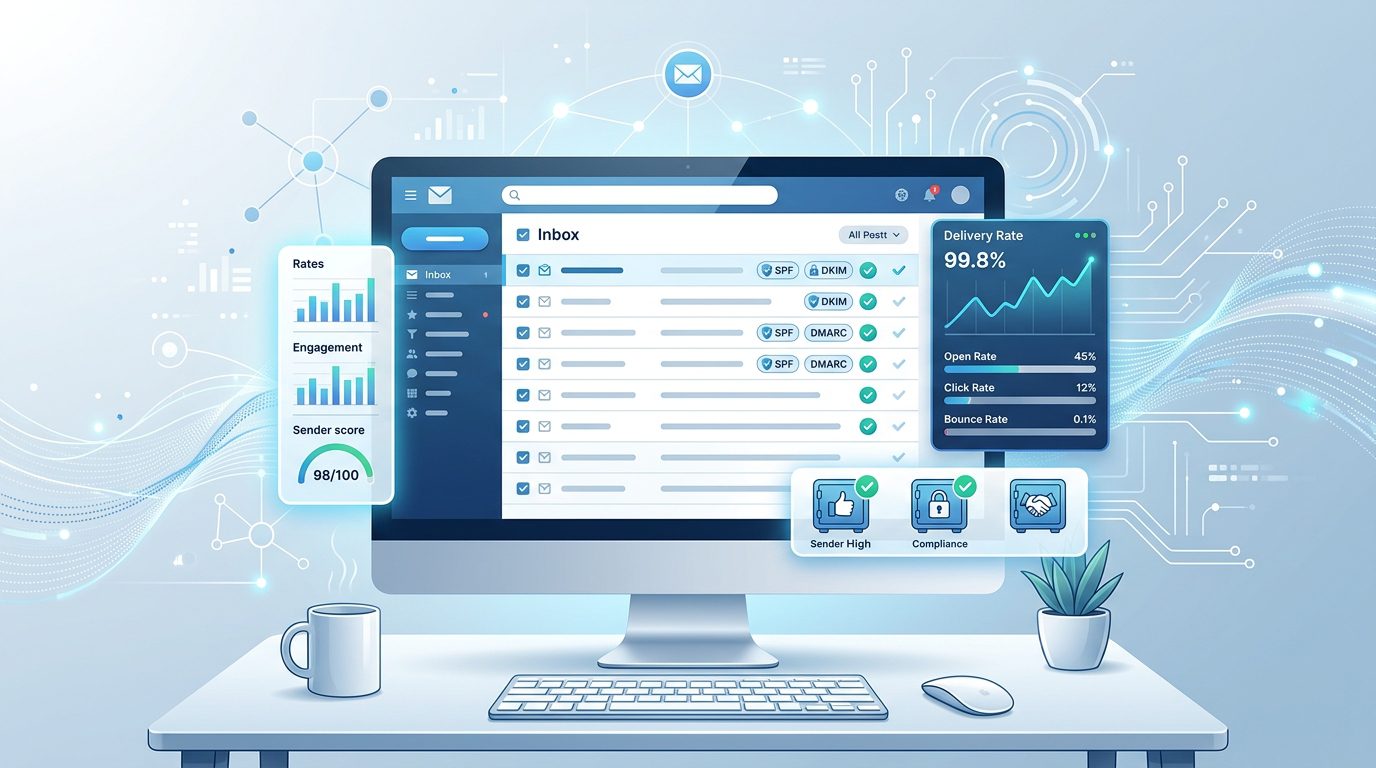
Email deliverability refers to the ability of an email message to successfully reach the recipient’s inbox without being blocked or routed to spam or junk folders. Unlike simple email delivery, which only confirms message receipt by the recipient’s mail server, deliverability focuses on end-point acceptance and placement. High deliverability means that marketing, transactional, or notification emails are not just sent but actively received and engaged with by the intended audience.
Why Email Deliverability Matters
Effective email deliverability is essential for any business or organization that relies on email communication. Poor deliverability can lead to messages being blocked, lost, or ignored, undermining marketing campaigns, customer service, and critical alerts. Maintaining strong deliverability maximizes ROI on email campaigns, strengthens brand reputation, and ensures timely communication with customers. It also helps avoid penalties by mail service providers and reduces the risk of being blacklisted.
Factors Affecting Email Deliverability
Sender Reputation and Its Role
The sender reputation is a score assigned by Internet Service Providers (ISPs) and email services based on various sender behaviors. This reputation influences whether emails reach inboxes or are filtered as spam. Key elements affecting sender reputation include:
- Complaint rates (users marking emails as spam)
- Volume of emails sent
- Bounce rates (undelivered emails)
- Spam trap hits
- Authentication failures
A strong sender reputation signals trustworthiness to ISPs and improves email deliverability.
Authentication Protocols: SPF, DKIM, and DMARC
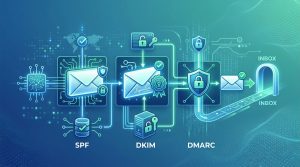
SPF (Sender Policy Framework), DKIM (DomainKeys Identified Mail), and DMARC (Domain-based Message Authentication, Reporting & Conformance) are critical protocols that verify the legitimacy of the sender. These authentication methods help prevent email spoofing and phishing, improving trust for both ISPs and recipients.
- SPF specifies which IP addresses are authorized to send mail for a domain.
- DKIM adds a digital signature to emails, verifying that the message contents are unaltered and genuinely from the claimed sender.
- DMARC builds on SPF and DKIM to instruct mail servers on how to handle unauthenticated emails and sends aggregate reports back to domain owners.
Proper configuration of these protocols enhances deliverability by reducing the probability of messages being flagged as suspicious.
Email Content and Formatting
Email content directly influences whether messages are filtered or flagged by spam filters. Factors to consider include:
- Balanced text-to-image ratio
- Clear and relevant subject lines
- Avoidance of spam trigger keywords
- Mobile-friendly and accessible design
- Proper HTML formatting and code cleanliness
Compelling and spam-free content encourages engagement, which further reinforces deliverability.
Recipient Engagement and List Hygiene
Engagement metrics such as opens, clicks, replies, and time spent reading affect sender reputation positively. Conversely, inactive or unengaged recipients increase bounce and complaint rates, harming deliverability. Regularly cleaning email lists by removing invalid, inactive, or unresponsive contacts ensures higher engagement and better inbox placement.
Email Deliverability Best Practices
Use Verified and Clean Email Lists
Starting with a high-quality email list is vital. Avoid purchasing lists, as they often contain invalid or spam trap addresses. Instead, use opt-in mechanisms to build permission-based subscriber databases. Regularly validate email addresses and remove bouncing or inactive contacts to maintain list health and reduce negative impacts on sender reputation.
Implement Proper Email Authentication
Ensure that SPF, DKIM, and DMARC records are accurately configured in your DNS settings. These protocols authenticate your emails and protect recipients from fraudulent messages, enhancing your sender credibility. Periodically review these settings to accommodate changes such as new sending services or IP addresses.
Maintain Consistent Sending Patterns
ISPs evaluate sending behavior to detect suspicious activity. Sudden spikes in email volume or erratic sending schedules can trigger spam filters. Establish a regular and consistent sending frequency that matches your typical campaign volumes. If increasing volume, implement a warm-up plan to gradually introduce higher email throughput.
Monitor Email Metrics and Feedback Loops
Continuously tracking key email metrics provides insights into deliverability health. Feedback loops (FBL) from ISPs alert senders when recipients mark messages as spam, enabling proactive removal of complainers. Monitor bounce rates, open and click rates, spam complaints, and unsubscribe rates to identify and resolve deliverability issues early.
Craft Relevant and Engaging Email Content
Focus on creating personalized, targeted content that resonates with your audience. Segment your subscribers based on behavior or demographics to deliver tailored messages. Relevant content encourages opens and clicks, which positively influence engagement rates and improve inbox placement.
Optimize Email Design for Accessibility and Deliverability
Design emails that are accessible to all users, including those using screen readers or mobile devices. Use semantic HTML, alt text for images, and clear calls to action. Simple, clean designs help avoid spam filters and increase recipient interaction, supporting deliverability.
Manage Bounce Rates and Unsubscribes Proactively
Handle hard bounces (permanent delivery failures) and soft bounces (temporary issues) promptly by removing or temporarily suspending problematic addresses. Providing simple, visible unsubscribe options reduces the likelihood of recipients marking emails as spam, preserving sender reputation.
Segment Your Audience for Targeted Campaigns
Segmentation breaks down your email list into smaller groups based on preferences, engagement history, or demographics. This allows for more relevant communication, increases engagement rates, and reduces unsubscribes and complaints. Higher engagement improves deliverability by signaling to ISPs that recipients value your messages.
Technical Considerations for Improving Deliverability
Configuring Sender Policy Framework (SPF)
SPF requires publishing a DNS TXT record listing all authorized IP addresses permitted to send emails on behalf of your domain. This prevents unauthorized senders from forging email addresses from your domain. Ensure that your SPF record includes all third-party email service providers you use and maintains a limit on DNS lookups to avoid failures.
Setting Up DomainKeys Identified Mail (DKIM)
DKIM implementation involves generating a public-private key pair. The private key signs outgoing messages, while the public key is published as a DNS record. This signature allows receiving servers to verify that the email was sent by an authorized sender and that its contents have not been altered.
Configuring Domain-based Message Authentication, Reporting & Conformance (DMARC)
DMARC adds an additional policy layer that tells recipient servers how to treat incoming mail that fails SPF or DKIM checks. It helps domain owners monitor potential misuse of their domain through detailed reports. Proper DMARC configuration enforces authentication practices and improves overall trustworthiness.
Using Dedicated IP Addresses and Warm-up Processes
Organizations sending large volumes of email may benefit from using a dedicated IP address, which isolates sending reputation from other senders. However, new dedicated IPs do not have established reputations, so a warm-up process is necessary—gradually increasing email volume over time to build a positive reputation and avoid being flagged as spam.
Common Challenges and Solutions in Email Deliverability
Dealing with Spam Filters
Spam filters analyze content, sender reputation, and engagement to determine inbox placement. To minimize filtering:
- Avoid spammy words and excessive punctuation
- Ensure authentication protocols are in place
- Use balanced text-to-image ratios and avoid heavy use of images
- Test emails regularly with spam-check tools
Refining these elements helps ensure messages land in primary inboxes.
Handling High Bounce Rates
High bounce rates negatively impact deliverability by signaling poor address quality or list management. Solutions include:
- Implementing double opt-in processes to confirm valid subscriptions
- Conducting regular list cleaning and email verification
- Removing invalid or inactive addresses after a set period
Proactively managing bounce rates reduces the risk of ISP blocks and blacklisting.
Improving Engagement to Boost Deliverability
Engagement rates are major criteria for ISPs in deciding how to route emails. Methods to improve engagement include:
- Segmenting recipients for targeted messaging
- Personalizing email content
- Sending relevant and timely offers or information
- Encouraging replies and interaction
Higher engagement signals value to spam filters, enhancing inbox placement.
Measuring and Monitoring Deliverability Success
Key Metrics to Track
Tracking the right metrics helps evaluate and improve deliverability performance. Important metrics include:
- Delivery Rate: Percentage of emails accepted by recipient servers
- Open Rate: How many recipients opened the email
- Click-Through Rate (CTR): Interaction with links within the email
- Bounce Rate: Percentage of emails undelivered
- Spam Complaint Rate: Number of recipients marking your emails as spam
- Unsubscribe Rate: Frequency of opt-outs
Consistent monitoring of these indicators helps identify trends and issues affecting deliverability.
Tools and Services for Deliverability Monitoring
There are numerous platforms and tools designed to assist with email deliverability management. These include:
- Email analytics platforms integrated with popular ESPs (Email Service Providers)
- Dedicated deliverability services providing inbox placement testing, reputation tracking, and spam filter diagnostics
- Feedback loop services offered by ISPs to notify senders of spam complaints
- DMARC reporting tools for authentication monitoring
Utilizing these tools enables proactive adjustments and continuous improvement in email performance.
Conclusion: Sustaining High Email Deliverability Over Time
Email deliverability is a foundational element of successful email marketing and communication strategies. By understanding its importance and the factors that influence it—such as sender reputation, authentication, content quality, and recipient engagement—organizations can implement practices that improve inbox placement and campaign effectiveness.
Maintaining deliverability requires ongoing diligence: verifying lists, authenticating domains, monitoring metrics, and continuously refining email content and technology setups. Addressing common challenges promptly and utilizing dedicated resources like IP warming and segmentation fosters sustained success. Ultimately, consistent application of best practices ensures emails connect with audiences, driving meaningful engagement and business outcomes.
Share: